September 2024
In Monty Python’s Life of Brian – in my deeply humble opinion, one of the greatest comedies ever written – in amongst the infamy of the stoning, the Sermon on the Mount, Biggus Dickus, etc. there is a subtle running joke that is easy to miss. Following the latest religious or political farce that plays out, driven by a growing mania (its maturation into full infection of the rational mind, the film captures so beautifully), the camera pans to a couple of Roman Legionaries – on guard to keep an eye on the locals. The repeated quizzical looks and disbelieving shakes of the head, a cute observation that when driven by fervour and vehemence, in the midst of hype and craze, there are always those on the outside, watching; critical, rational, disbelieving. Yet, how will history remember it; which way will the coin fall – will you eventually be drawn into the madness, or drawn out of it?
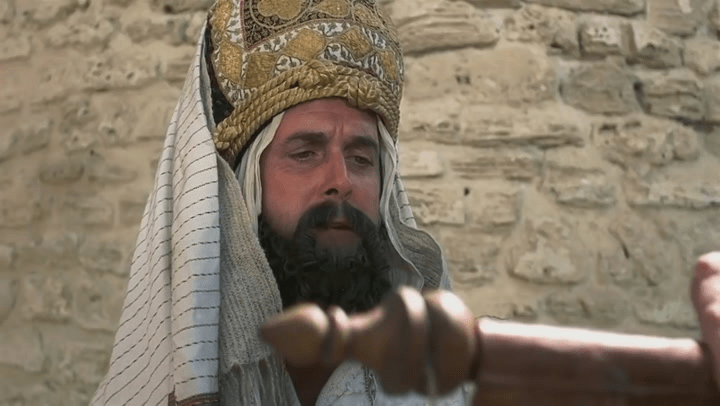
“No one is to stone anyone, until I blow this whistle, do you understand? Even – and I want to make this absolutely clear – even if they do say ‘Jehovah’”.
When my friend Gavin[1] recently sent me the teaser on Instagram, that Oasis were likely to reform for an upcoming tour, my indifference surprised me. Somewhere in the last thirty years – and I couldn’t tell you when – I have transcended from disciple to Legionary. The spell of religious dedication has worn bare. Blasphemer!
I spent the weekend of the ticket release for the upcoming tour, which has generated as many headlines as the events themselves are likely to, observing irate punters in pubs, and exasperated friends and family, all descend into full messianic madness – the familiar glazed look in the eyes of those acting outside of their freewill. I quietly sipped my pint and occasionally raised an eyebrow – I’ve been here before. Oasis, my rational mind is now able to observe, are a truly curious case. Their story is built on two brilliant albums released in ’94 and ‘95; and an era-defining live performance at Knebworth[2], six months later. The crucible of their enduring fame and success emanates from just eighteen months of intense fecundity. With the very occasional exception, everything else they did belongs in landfill[3].
I wasn’t always like this. I was once a huge Oasis fan. And their music can still affect me – if I were to hear Slide Away at a party, for example, the opening bars would render me motionless for a moment; but like so many of my passions of youth, it has mellowed into nostalgia.
When it all started, I was probably about ten years too young to have been in the sweet spot. What’s the Story Morning Glory? came out when I was eleven[4] – it was my first album. But for a band whose accompanying doctrine invoked booze, cigarettes and cocaine, I was a touch behind the curve. I was also too young to associate the music with my defining adolescent experiences: attempting to get a bra undone, whilst giddy on oxytocin; or chemically induced floods of serotonin, which would come a few years later.
For any Americans reading this, it’s important to point out quite how big Oasis were in Britain in the 90s. They’re not just that band who did Wonderwall. It was mid-90s popular culture. With only four channels on the telly, no internet and an accompanying cast of radio shows and music magazines clapping along to the top-down media machine of the time; it was never so powerful and wealthy. Then the internet appeared, and the pace of change was frightening.
But that wasn’t the reason for Oasis’s decline. Theirs just happened to mirror the industry’s; a coincidence that seems only to add to the mystique of their pomp.

“The last great gathering of the people before the internet” and I could have fucking been there! Not a phone in sight.
The warning signs were there in the summer of ‘97. D’You Know What I Mean[5], the first single released off the upcoming album, Be Here Now, was plain awful. And I even remember thinking that at the time. It was unmistakably Oasis, sure – it had the swagger, the sneer, the unique sound, but something crucial was missing and we all knew it. It’s OK, I reassured myself; the album will be brilliant, I never particularly liked Roll With It, either.
So that you don’t have to, I went to the trouble of re-listening to Be Here Now in its entirety whilst writing this post. Trust me when I say this: it’s as shite as it ever was. Yet, like Gazza missing that cross at Euro ’96, there was still the vague shadow of hope that there might be an alternative conclusion if I gave it a re-run – just once more.
I didn’t know what wilful blindness was when I was 12, but reviewing Be Here Now with my friends was probably my first experience of it. I remember coming into school in the weeks that followed the release trying to convince, and be convinced, that Girl in the Dirty Shirt was half decent, or Don’t Go Away was a ballad worthy of McCartney (sorry). We all knew we were lying to ourselves, we had that look in our eyes. It was the strongest case of Emperor’s New Clothes I’ve ever known. Yet the dogma was so powerful that the credit in the tank would take years to exhaust.
Had the fame gone to their heads? Perhaps. Had they been so high that they forgot to add the bass in post-production? Yes, this actually happened. Perhaps it was the rapid transformation from Moss Side Mancunians to North Londoners; was it unrealistic to think that a band whose energy drew so heavily from Northern working-class ire, could realistically write a worthy follow-up to Cigarettes and Alcohol whilst living in a Georgian mansion in Primrose Hill? Possibly. Or was it cocaine? Probably. Whatever the reason, the album was so awful it killed off an entire musical genre[6].
Rewind three years to Definitely Maybe and despite its rightful position in the pantheon of great British pop albums, you still find music with plenty of flaws. Take Supersonic, one of their most revered songs: read the lyrics for yourself and it highlights that even when they were brilliant, too swept up in the hype of their energy and sound, no one was listening to what they were actually saying.
The flip perspective to that song is that Noel Gallager wrote it during a single recording session having decided their incumbent single wasn’t good enough. That is astonishing, and brilliant. Listen to this song after enduring the low-torque sound of their latter albums and you begin to grasp the magic they were wielding during those 18 months. Being a fan of Oasis after that point was largely about how quickly you could let them go; I empathise with those who spent years exasperatedly searching for the spark in following albums – take the not inconsiderable trouble to listen to them, and you realise that so were they.
So, even for the nostalgia, I shall not be at Wembley, Heaton Park or Croke Park next summer. I’m content with my memories and the formative role that curious case of folie à deux played on me. I shall be in the Prince George, quietly sipping my pint, shaking my head in disbelief.
[1] Gavin and I were at school together from 1994-2002 and went through a lot of this together.
[2] I could have gone to this, but my parents insisted I be accompanied by my Dad. I knew this would be social suicide, so regrettably declined the opportunity. Dad and I went to The Eagles instead that summer.
[3] The Masterplan doesn’t count; it’s a collection of B-Sides from the first two albums. Most are better than anything that appeared on subsequent albums.
[4] I thought it was a reference to a plant that flowers daily.
[5] An early birthday present from my first girlfriend.
[6] Critic Jon Savage claimed the release of Be Here Now, and its failure to live up to the hype, was the event that killed Britpop; Noel Gallager has described it as “fucking shit”.
 Another Door In the Wall